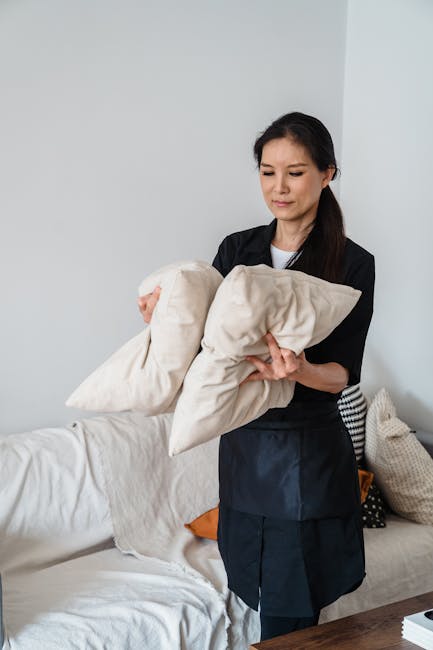
Upholstery cleaning for Homerton Road flats: a practical guide for cleaner, healthier homes
If you live in a Homerton Road flat, upholstery cleaning can feel like one of those jobs that keeps sliding down the list. The sofa looks fine until the afternoon light hits it. The armchair still smells a bit musty after winter. The dining chairs have that faint, lived-in mark that nobody can quite explain. Upholstery cleaning for Homerton Road flats is really about all of that: making furniture look better, smell fresher, last longer, and feel more comfortable in a home where space is tight and use is constant.
Flats bring their own quirks too. Hallways are narrow. Stairs can be awkward. Drying time matters because nobody wants a damp sofa taking over the living room for two days. And let's face it, when your furniture doubles as storage, seating, and the occasional nap zone, it takes more punishment than people think. This guide walks through what upholstery cleaning involves, why it matters in Homerton Road flats, what methods work best, and how to avoid the kind of mistakes that turn a simple clean into a small domestic drama.
Why upholstery cleaning matters in Homerton Road flats
Upholstery in flats gets a lot of use in a relatively small footprint. A three-seater sofa may be the family seat, the work-from-home spot, the snack station, and the guest bed all in one. That means body oils, dust, food crumbs, pet hair, drink marks, and everyday grime build up faster than many people expect. In a flat near Homerton Road, that can become noticeable quickly, especially if windows stay shut for noise, weather, or privacy.
There is also the simple matter of appearance. Clean upholstery makes the whole place feel more sorted, even if the kitchen is tiny and the hallway is a bit of a squeeze. You will notice it the second you walk in: the room seems lighter, and the furniture no longer looks tired. That is not vanity. It is normal home care.
Another reason it matters is hygiene. Dust and allergens collect in fabrics, especially on soft seating, cushions, and fabric dining chairs. If someone in the flat has sensitivities, regular cleaning can help reduce the "stale flat" feeling that builds up over time. It is not a cure-all, of course, but it can make a real difference.
Expert summary: In smaller London flats, upholstery cleaning is less about a once-in-a-blue-moon refresh and more about keeping everyday living comfortable, presentable, and easier to maintain.
There is also property care to think about. Fabrics wear unevenly when dirt sits in them for months. Spots left too long become harder to remove, and fibres can start to look flat or dull. If you want your furniture to last, regular care is a sensible move. Nothing dramatic. Just good housekeeping, really.
How upholstery cleaning works
At a basic level, upholstery cleaning removes loose dirt, embedded debris, stains, and odours from fabric furniture using a method matched to the material. The exact process depends on whether the item is synthetic, cotton, velvet, wool blend, leather, or a delicate mixed fabric. Good cleaning starts with identification. That part is boring, maybe, but it matters more than people think.
A careful clean usually begins with inspection. A technician checks the fabric type, stitching, wear areas, old stain marks, and any dye sensitivity. If there are labels or manufacturer care codes, those guide the process. Then the item is vacuumed thoroughly to remove dust and grit. This step is easy to rush. Don't. If you skip it, you can just push dirt around later.
After that, the cleaning method is chosen. Common approaches include low-moisture encapsulation, hot water extraction where suitable, or specialist spot treatment for stains. Delicate fabrics may need a gentler approach with controlled moisture and targeted cleaning agents. The aim is always the same: clean the fibres without over-wetting, shrinking, or leaving residue behind.
For flats, drying time is a major part of the job. Furniture that dries too slowly can leave a room smelling damp, and in compact homes the moisture lingers more obviously. That is why the right technique, airflow, and aftercare matter. Open windows if weather allows, use ventilation, and keep the piece clear until dry.
If you already use other fabric care services, such as sofa cleaning, curtain cleaning, or rug cleaning, the same principle applies: identify the material first, then clean it properly rather than aggressively.
Key benefits and practical advantages
The biggest benefit is obvious: upholstery looks better after a proper clean. But there is usually more going on than surface improvement. Freshly cleaned fabric feels softer, smells cleaner, and simply makes the room more pleasant to sit in. That matters in a flat where the sofa is often the centre of gravity for daily life.
- Better appearance: lifts the look of tired rooms without replacing furniture.
- Improved hygiene: removes dust, general grime, and trapped debris.
- Odour control: helps reduce lingering smells from food, pets, or damp air.
- Longer furniture life: dirt abrades fibres over time, so cleaning helps preserve the material.
- More comfortable living space: makes shared areas feel fresher and less stuffy.
There is also a subtle benefit people notice after the fact: the flat feels easier to keep clean. Once upholstery is fresh, you tend to vacuum more carefully and tidy the room more often. Funny how that works. One small improvement and suddenly the whole place gets a bit more attention.
If you are comparing home services, upholstery cleaning often complements carpet cleaning and even steam carpet cleaning because soft furnishings and floors share a lot of the same dirt sources. When both are done around the same time, a flat usually feels properly reset, not just half done.
Who this is for and when it makes sense
Upholstery cleaning for Homerton Road flats makes sense for a wide range of people, not just households with obvious stains. In fact, some of the best time to clean is before the mess becomes visible. That sounds a bit over-cautious, but it saves hassle later.
It is a good fit if you:
- live in a flat with fabric sofas, armchairs, stools, or dining chairs
- have pets that shed hair or leave odours behind
- live with children and know exactly how quickly a biscuit can become a crumb field
- cook often and want to reduce food smells in soft furnishings
- have guests stay over and want the place to feel fresh
- are preparing to move out, move in, or let the property
- have furniture that looks dull even after vacuuming
It also makes sense after a spill, but not every stain should be treated as an emergency. Some marks are easy to worsen if you start scrubbing in a panic. If something fresh has happened, blot it, don't rub it, and get advice before going at it with a random spray from the cupboard. We have all been there, standing over a stain with the confidence of a person who has just made things worse.
For landlords and tenants, upholstery care can be especially useful at tenancy changeovers. It helps the property present well and can reduce complaints about smells or visible wear. For families, it is more about comfort and keeping the furniture usable for longer. Different needs, same outcome.
Step-by-step guidance
If you want a sensible approach to upholstery cleaning in a flat, keep it simple and methodical. No heroics required.
- Identify the fabric. Check the care label or look for signs of delicate pile, suede-like finishes, leather, or mixed materials. If the item is special, assume it needs a gentler treatment until proven otherwise.
- Vacuum thoroughly. Use an upholstery attachment and work into seams, cushions, and creases. Those hidden edges collect dust like nobody's business.
- Test any cleaning product. Apply a small amount to a hidden area first. Wait for drying. Colour change, texture change, or residue means stop.
- Treat spots carefully. Dab rather than scrub. Start with the least aggressive option that might work.
- Clean the full surface evenly. If you only treat isolated patches, you can end up with tide marks or uneven colour.
- Control moisture. Do not soak the fabric. In a flat, over-wetting is a common mistake because drying can take longer than expected.
- Promote airflow. Open windows if possible and use fans safely to help the fabric dry.
- Finish with a final check. Once dry, inspect for missed marks, stiffness, or lingering smells.
If the item is badly stained or the fabric is fragile, a professional clean is often the safer option. That is especially true with investment furniture, bespoke pieces, or anything with mixed materials and older wear. Sometimes the clever move is to step back and let someone with the right equipment handle it.
Expert tips for better results
Small changes can make a large difference. That is the quiet truth of upholstery cleaning. Here are the bits that matter most in real homes:
- Vacuum before you see the dirt. Regular vacuuming reduces the need for heavy cleaning and helps prevent grit from embedding into fibres.
- Work from the outside of stains inward. It helps stop a spot from spreading.
- Keep a note of what caused the stain. Food, oil, ink, pet mess, and drink spills often need different treatment.
- Think about airflow before you start. In a compact flat, drying is half the job.
- Use minimal product. More cleaner does not mean better cleaner. Usually the opposite, if we are honest.
- Watch the weather. A dry, breezy afternoon is better than a humid evening when you want upholstery to dry quickly.
There is also a practical order to cleaning a flat: work top to bottom, and save upholstery for after dusty jobs if you are doing a broader tidy-up. It sounds almost too simple, but it stops fresh fabric from getting re-soiled while you are still moving things around. Little detail, big annoyance saved.
If odours are part of the problem, take a look at the cause rather than masking it. Pet smells, for instance, usually need more than perfume. A proper approach may involve targeted treatment such as pet stain and odour removal alongside upholstery cleaning. Different issue, different fix.
Common mistakes to avoid
Most upholstery problems come from good intentions. That is the frustrating part. People try to help and accidentally set the stain deeper, push moisture too far into the filling, or leave a ring around the mark. It happens all the time.
- Scrubbing too hard: this can damage the weave and rough up the surface.
- Using too much water: especially risky in flats where airflow is limited.
- Skipping the test patch: one hidden corner can save a whole sofa from disaster.
- Mixing products: never combine cleaners unless you know exactly how they react.
- Ignoring the care label: a quick read can prevent expensive mistakes.
- Leaving spills to "deal with later": later often means a harder, more set-in stain.
A smaller but common mistake is cleaning only the obvious patch. That can leave a brighter circle in the middle of a duller area. You want even treatment, not a newly spotted sofa. Very technical term, that: the accidental halo effect. Not ideal.
For upholstered furniture near windows or radiators, fading and drying patterns can also be uneven. If one side gets more sun, the fabric may already have slight colour variation. A professional or careful DIY cleaner should keep this in mind so the result looks balanced rather than patchy.
Tools, resources and recommendations
You do not need a van full of equipment to maintain upholstery between deep cleans, but having the right basics makes life easier. The best kit is simple, not fancy.
- Upholstery vacuum attachment: ideal for seams, cushions, and narrow edges.
- Soft brush: helps lift dust without harming delicate fabrics.
- White microfibre cloths: useful for blotting spills and seeing transfer clearly.
- Spot cleaner suitable for upholstery: always check compatibility first.
- Fan or good natural ventilation: vital for quicker drying in flats.
- Protective gloves: sensible if you are handling stain treatment products.
If you are comparing service options, it helps to look at how a provider explains fabric care, drying time, and aftercare. Clear information is a good sign. If the price process matters to you, review the available pricing and quotes information before booking so you know what to expect. And if you care about the practical side of how a company handles customer data and payments, the pages on payment and security and privacy policy are worth a quick look too.
For broader home care, pairing upholstery cleaning with mattress cleaning can make a noticeable difference in how a bedroom or studio flat feels. Soft furnishings have a habit of quietly collecting all the day-to-day stuff we stop noticing.
Law, compliance, standards and best practice
For domestic upholstery cleaning in the UK, the key issue is not a dramatic legal regime; it is sensible best practice, care, and safety. If you are hiring someone, you want them to work carefully, use suitable products, and avoid damaging your furniture or the property. That sounds obvious, but good practice is often just common sense done properly.
In shared buildings and flats, there may also be practical rules around access, noise, parking, waste handling, and protecting communal areas. A responsible cleaner should take care not to mark hallways, leave equipment in the way, or create slip risks during drying. In a block on a busy road, that kind of attention matters more than people assume.
Health and safety best practice usually means:
- using cleaning products appropriately and sparingly
- keeping floors clear of hoses, wet cloths, and trip hazards
- ventilating rooms during and after cleaning
- checking fabric compatibility before starting
- protecting nearby walls, skirting, and electrical items from overspray or moisture
If you are comparing cleaners, it is worth asking about public liability cover and how they manage risk in domestic settings. The company's insurance and safety information and health and safety policy can give you a better sense of how seriously they take that side of the job. You do not need a lecture. Just reassurance that the basics are handled properly.
For anyone concerned about service standards, complaint handling, or general transparency, it also helps when a provider publishes clear pages such as terms and conditions and a straightforward complaints procedure. Clearer expectations usually mean fewer misunderstandings later. Simple, really.
Options and comparison table
There is no single best method for every flat. The right choice depends on fabric type, stain severity, drying time, and how much disruption you can tolerate. Here is a practical comparison.
| Method | Best for | Pros | Watch-outs |
|---|---|---|---|
| Vacuum-only maintenance | Weekly upkeep and light dust | Fast, cheap, low risk | Will not remove deep stains or odours |
| Spot treatment | Fresh stains and small marks | Targeted, quick, useful for emergencies | Can create rings or colour patches if done badly |
| Low-moisture upholstery cleaning | General refresh and moderate soiling | Often quicker drying, good for flats | May need a second pass on stubborn marks |
| Hot water extraction where suitable | Deeper clean on robust fabrics | Strong soil removal, good refresh | Longer drying time, not suitable for all materials |
| Professional specialist cleaning | Delicate fabrics, heavy staining, or larger jobs | Safer for tricky items, more consistent results | Higher cost than DIY, but often better value overall |
If you are unsure which method to choose, think about the furniture itself before thinking about the stain. A fragile velvet chair needs a different approach from a sturdy fabric sofa that has simply gone a little grey with use. That distinction saves a lot of trouble.
Case study: a real-world flat clean
A typical Homerton Road flat scenario might look like this. One living room. One medium fabric sofa. Two dining chairs. A rug. The sofa has a faint food mark on one cushion, the chairs have general wear from daily use, and the room smells a bit closed in after a wet week. Nothing outrageous. Just the usual accumulation.
In that kind of job, the first useful step is to vacuum every soft surface, especially the sofa seams and the underside of cushions. You would be surprised how much lives there. Then the cleaner tests a small hidden area on the sofa arm to check reaction. Once that is fine, they treat the food mark, clean the seating areas evenly, and freshen the dining chairs. The rug may be handled separately if the fabric construction is different.
The biggest improvement is often not the stain removal, though that is nice. It is the overall lift in how the room feels. The flat smells cleaner in the evening. The fabric is brighter in the morning light. And the furniture no longer looks like it has had a rough year, which, to be fair, it probably has.
This is also the sort of job where good aftercare matters. Keep the room ventilated, avoid sitting on the furniture too soon, and let the fibres dry properly. Rushing the last 10 percent is where a decent result can go sideways. Been there, regretted that.
Practical checklist
Use this checklist before and after upholstery cleaning in a flat:
- Check the fabric care label or manufacturer guidance.
- Vacuum cushions, seams, piping, and under seat pads.
- Test any product on a hidden area first.
- Blot fresh spills gently rather than rubbing.
- Keep children and pets away while the fabric is drying.
- Open windows or improve airflow where safe to do so.
- Use only suitable products for the specific fabric.
- Inspect for leftover marks once the upholstery is fully dry.
- Consider pairing the clean with nearby fabric care needs, such as carpets or curtains.
- Set a simple maintenance routine so dirt does not build up again too quickly.
Quick takeaway: the cleanest results usually come from the most careful approach, not the most aggressive one. Gentle, methodical, and patient tends to win.
For homeowners, tenants, and landlords alike, a thoughtful clean can make a flat feel looked after without any fuss. If you are planning a broader refresh, it may help to explore related services like upholstery cleaning itself as well as stain removal for more stubborn spots.
Conclusion
Upholstery cleaning for Homerton Road flats is one of those jobs that quietly improves daily life. It makes rooms look better, helps furniture last longer, and takes a bit of the stale edge out of compact living. In a flat, where every item has to work hard, that matters.
The best results come from matching the method to the fabric, avoiding over-wetting, and keeping up with light maintenance between deeper cleans. Whether you are freshening a sofa, tackling chair marks, or dealing with the aftermath of a busy week, the goal is the same: a home that feels clean without feeling stripped bare. A bit fresher, a bit calmer. That is often enough.
If you want professional help and a straightforward next step, now is a good time to compare options and ask for an estimate.
Get a free quote today and see how much you can save.
Frequently Asked Questions
How often should upholstery be cleaned in a Homerton Road flat?
For most flats, a light vacuuming routine should happen weekly, while deeper upholstery cleaning is often sensible every 6 to 12 months depending on use, pets, children, and fabric type. High-traffic sofas may need attention sooner.
Can I clean upholstery myself or should I hire a professional?
Small fresh marks and routine maintenance can often be handled at home if the fabric is suitable and you test products first. Delicate materials, stubborn stains, and furniture with value are usually safer in professional hands.
What is the safest way to remove a spill from a sofa?
Blot the spill gently with a clean cloth, work from the outside inward, and avoid scrubbing. If you use a cleaning product, test it first in a hidden spot. Quick action helps, but careful action helps more.
Will upholstery cleaning make my flat smell fresher?
Yes, if the odour is coming from the fabric itself or from trapped dust and everyday grime. If the smell is from pets, damp, or a spill that soaked into the filling, a deeper or targeted treatment may be needed.
How long does upholstery take to dry in a flat?
Drying time depends on the fabric, method used, ventilation, and weather. In a flat, airflow is often the biggest variable. Good ventilation and low-moisture methods usually help a lot.
Is steam cleaning suitable for all upholstery?
No. Steam or hot water methods are not suitable for every fabric. Some materials need very controlled moisture, and delicate upholstery can be damaged if the wrong technique is used.
What should I check before booking a cleaner?
Check whether they understand different fabrics, explain their method clearly, and provide useful information about safety, insurance, and pricing. Transparency matters more than slick promises.
Can upholstery cleaning help with pet hair and pet odour?
Yes, to a point. Vacuuming and cleaning will remove hair, surface dirt, and some odours, but heavier pet smells may need targeted treatment. If pets are part of the problem, specialist odour removal is often worth considering.
Does upholstery cleaning damage fabric?
It should not, if the method matches the material and the cleaner works carefully. Damage usually happens when people use too much moisture, scrub too hard, or apply unsuitable products.
Is upholstery cleaning worth it for rented flats?
Usually, yes. It can help a flat look more presentable, reduce lingering smells, and keep furniture in better condition. For tenants, it can also support a cleaner handover at the end of a tenancy.
What other cleaning services go well with upholstery cleaning?
Carpet cleaning, curtain cleaning, mattress cleaning, and targeted stain removal often pair well because they tackle the same dust and odour sources across the flat. Doing them together can make the whole place feel properly refreshed.
How do I keep upholstery cleaner for longer after the job?
Vacuum regularly, deal with spills straight away, rotate cushions where possible, and keep food and drinks away from the most heavily used seats when you can. That last one is easier said than done, of course, but it helps.