Carpet cleaning options near Homerton station E9
If you are looking into Carpet cleaning options near Homerton station E9, you are probably trying to solve one of a few very ordinary, very annoying problems: a carpet that looks tired, a stain that will not budge, a pet smell that keeps coming back, or a flat that needs to feel clean again before guests, tenants, or a new season arrives. Truth be told, most people do not need a grand explanation. They need to know what works, what it costs in time and hassle, and which option is best for their home or business near Homerton station.
This guide walks through the main cleaning methods, when each one makes sense, how the process usually works, and what to watch out for if you want a proper result rather than a quick surface tidy. You will also find a practical checklist, a comparison table, and a few grounded tips for choosing sensibly. If you want to explore a core service page while reading, the main carpet cleaning service is a useful place to start, and for pricing guidance there is also a dedicated pricing and quotes page.
Why Carpet cleaning options near Homerton station E9 matters
Carpets do a lot of work quietly in the background. They soften noise, make rooms feel warmer, and help a flat or office look more finished. But they also trap everyday life. Dust, grit, pollen, spilled tea, tracked-in rain, pet dander, and the general wear of people coming and going all settle into fibres. Near a busy transport point like Homerton station, that kind of wear can show up faster than you expect. Commuters, visitors, deliveries, shoes, prams, and wet London weather all have a way of making the same carpet look older than it really is.
That is why choosing the right cleaning option matters. Not every carpet needs the same treatment. A lightly marked living room carpet may only need a careful deep clean, while a busy rental hallway could need more attention to stains, traffic lanes, and drying time. A wool rug in a period conversion is not the same as a synthetic office carpet. Obvious, yes, but it is surprising how often this gets flattened into one generic service.
In practical terms, the right approach helps you protect the pile, remove odours at the source, and stretch the life of the carpet. It can also reduce that slightly stale, dusty smell that tends to creep in when fibres have held onto moisture or dirt for too long. And if you are preparing a property for sale, new tenants, or a family event, a proper clean can change the whole feel of the room. You notice it straight away when the light hits the carpet differently.
Expert summary: the best carpet cleaning option is rarely the most aggressive one. It is the one matched to the fibre, the level of soil, the stain type, and the drying time you can realistically live with.
How Carpet cleaning options near Homerton station E9 works
Most professional carpet cleaning follows a fairly simple logic: inspect, pre-treat, clean, extract or remove residue, and dry. The details vary depending on method, but the purpose stays the same. You want soil lifted from deep in the pile without leaving too much moisture, sticky detergent, or damage behind.
Typical process
- Inspection. The cleaner checks fibre type, room condition, stain types, and any delicate seams or loose areas.
- Pre-vacuuming. Dry soil is removed first. This part matters more than people think. If grit stays in the carpet, cleaning becomes less effective.
- Pre-treatment. Specific marks, traffic lanes, or odours may get a targeted solution.
- Main cleaning method. This may be hot water extraction, steam-style cleaning, low-moisture cleaning, or another approach.
- Agitation or dwell time. Some solutions need a little time to break down dirt before removal.
- Extraction or removal. Soil and cleaning solution are lifted away.
- Drying. Airflow, room temperature, and carpet thickness affect how quickly the carpet is ready again.
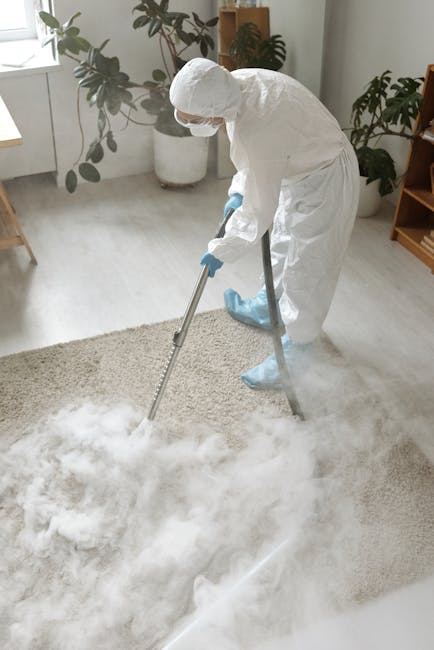
People often use the phrase "steam cleaning" quite loosely. In reality, many professional methods use hot water extraction rather than pure steam. The distinction matters a bit. Hot water extraction uses heated water and cleaning solution, then extracts the moisture and soil. Real steam is not usually the main cleaning agent for most carpets in domestic settings. Small detail, but useful.
If you are dealing with a stubborn mark, a specialist stain removal treatment may be added before the main clean. For pet issues, a targeted pet stain and odour removal service is often the sensible route because smell can linger in the backing, not just the visible fibres.
Key benefits and practical advantages
The obvious benefit is a cleaner carpet. Fine. But there is more to it than appearances.
- Better indoor freshness: Cleaning removes built-up dirt and lingering odours that make a room feel less inviting.
- Longer carpet life: Grit and embedded debris wear fibres down over time, especially in hallways and entrances.
- Improved appearance: Colours usually look clearer once soil is removed, and matted traffic lanes can lift noticeably.
- More hygienic surfaces: While carpet cleaning is not a medical intervention, removing grime and allergens can help a room feel healthier and easier to live in.
- Property presentation: Important for landlords, letting agents, home movers, and businesses that want a tidy first impression.
- Odour control: This is especially relevant where pets, damp shoes, or old spills have left a smell behind.
There is also a quiet practical benefit: peace of mind. When the carpets are properly cleaned, you stop noticing them. That sounds small, but it changes how the whole place feels. You walk in and think, yes, that is better.
If your needs are broader than carpets, it can help to look at related treatments such as upholstery cleaning for chairs and armchairs, or rug cleaning if the problem area is a smaller decorative piece rather than wall-to-wall carpet.
Who this is for and when it makes sense
This topic is relevant to a lot of people around Homerton. Not just homeowners with one stained lounge carpet. Let's face it, carpets get used hard in London.
Homeowners and renters
If you have a family home, a shared flat, or a rental property, carpet cleaning makes sense when the carpet looks dull, smells off, or simply feels overdue. It is especially worth considering before or after a move, after a spill, or once traffic patterns become visible in corridors and living areas.
Landlords and letting agents
Turnaround time matters here. Between tenancies, you often need a balance of appearance, drying speed, and practical reliability. A full deep clean is usually more useful than a light cosmetic pass, especially if the previous occupant had pets or heavy foot traffic.
Businesses and commercial premises
For offices, clinics, studios, and small hospitality spaces, cleaner carpets help with presentation and day-to-day comfort. If your premises have meeting rooms or client-facing areas, the carpet is part of the brand whether people think about it or not. For larger workplaces, a look at commercial carpet cleaning can be useful because scheduling, access, and maintenance are often different from domestic jobs.
Pet owners and busy households
If you have a dog that races in with wet paws or a cat that occasionally misses the mark, you know the pattern already. The carpet may look okay from a distance, but the smell tells another story. In these cases, odour-focused treatment is often more important than the visible stain itself.
When it really makes sense
- Before guests, events, or family visits
- After a spill that has set in
- When a room feels dusty or stale
- At the end of a tenancy
- After winter, when mud and moisture have had months to build up
- When regular vacuuming no longer makes enough difference
Step-by-step guidance
If you are comparing carpet cleaning options near Homerton station E9, the most useful thing you can do is follow a simple decision process. It keeps you from choosing based on guesswork or sales pressure. And honestly, that saves hassle later.
- Identify the carpet type. Wool, synthetic, blended, and loop-pile carpets behave differently. If you are not sure, check labels or ask for help during inspection.
- Define the problem. Is it general dirt, one stain, pet odour, flattening, or a full refresh? The answer shapes the method.
- Consider drying time. If you need the room back the same day, low-moisture options may be more practical than a heavier wet clean.
- Match the method to the soil level. Deep embedded dirt usually needs more than a surface refresh.
- Ask about pre-treatment. Good results often depend on what happens before the main clean, not just the final machine pass.
- Check what is included. Stain treatment, deodorising, furniture moving, and edge cleaning are not always standard.
- Confirm access and timing. Near a station or on a busy road, arrival windows and parking access can affect the job plan more than people expect.
- Prepare the room. Move fragile items, clear small clutter, and make sure the cleaner can reach the carpet properly.
- Review drying advice. Good airflow matters. Open windows if suitable, or use fans where safe.
- Inspect the result before the cleaner leaves. This is the best time to point out anything still visible or ask about follow-up treatment.
If you want a clearer idea of how booking and price discussion usually works, the site's pricing and quotes page is handy, and the about us page gives a little more context on the business side and approach.
Expert tips for better results
These are the little things that make a decent clean become a noticeably better one.
- Vacuum properly before the visit. A cleaner can do a better job if loose grit is already gone. Not glamorous, but it works.
- Treat fresh spills gently. Blot, do not scrub. Scrubbing pushes the stain deeper and roughs up the fibres.
- Be realistic about old marks. Some stains fade significantly, some only partially. Coffee, red wine, ink, and bleach damage do not all behave the same way.
- Prioritise traffic areas. Hallways, entrances, and the patch in front of the sofa tend to reveal the most about a carpet's condition.
- Ask about fibre safety. Wool and delicate blends need more care than a durable synthetic carpet.
- Allow proper airflow. A carpet that dries slowly can smell musty, especially in cooler months.
- Think beyond the carpet. If the room still feels tired after the clean, the issue may also be sofa fabric, curtains, or a mattress in a small flat. That is where related services such as sofa cleaning, curtain cleaning, or mattress cleaning can complete the job nicely.
A small but important note: if someone promises the carpet will be fully dry in ten minutes, be sceptical. Good cleaning is not magic. It is a process, and drying depends on the carpet, the weather, and the building itself.
Common mistakes to avoid
There are a few classic missteps that can make carpet cleaning more expensive or less effective than it needs to be.
- Choosing a method just because it sounds powerful. Stronger is not always better. Over-wetting or harsh treatment can cause more trouble than it solves.
- Using the wrong product on the wrong stain. DIY spot cleaners can set some stains permanently if they react badly with the fibres.
- Ignoring the underlay or backing. Sometimes the visible mark is only half the problem. Odour may sit deeper down.
- Skipping inspection. If a cleaner does not check fibre type and wear first, that is a red flag.
- Expecting old damage to disappear completely. Some stains are permanent. Better to know that early than be disappointed later.
- Not asking about access or parking constraints. Around a station area, logistics can affect timing and job length. A little planning helps a lot.
- Cleaning too close to a move-in without drying time. Damp carpets and moving furniture together are not a great mix.
One very human mistake? Thinking the carpet "doesn't look that bad" until you move the table and see the lighter rectangle around it. Happens all the time. Every time, nearly.
Tools, resources and recommendations
You do not need a warehouse of specialist kit to make sensible decisions, but a few basics help.
- A good vacuum cleaner: Especially one with a proper brush setting for pile type.
- Microfibre cloths: Useful for blotting spills before they settle.
- Gentle spot treatment: Only if it is suitable for your carpet fibre. Test carefully and avoid overuse.
- Fans or open windows: Air movement matters more than many people realise.
- Furniture pads: Helpful after cleaning to avoid marks while the carpet settles.
If you are comparing service choices, these pages can help you think more clearly about the type of clean you need: steam carpet cleaning for deeper refreshes, stain removal for targeted spots, and upholstery cleaning if the rest of the room needs attention too.
It is also sensible to review practical trust information before booking. The site's insurance and safety page, plus the health and safety policy, are worth a look if you want a fuller picture of how jobs are handled with care. For payment reassurance, the payment and security page is useful too.
Law, compliance, standards, or best practice
For most readers, the main concern is not legal theory. It is whether the service is carried out safely, professionally, and with reasonable care for your home or workplace. Still, a few UK best-practice points matter.
First, any cleaner working in occupied premises should take sensible precautions around chemicals, ventilation, slip risks, and electrical equipment. That is just good practice, and it becomes especially important in communal buildings, offices, or homes with children, pets, or limited mobility. Second, professional businesses should be transparent about what is included, what may cost extra, and any conditions that affect the work. Clear terms save arguments later. Not exciting, but very useful.
Third, if you are managing commercial premises, you should think about risk awareness and booking coordination. Heavy equipment, wet floors, and foot traffic do not mix especially well. A cleaner who plans drying time and access properly is doing the job properly.
Finally, sustainability can matter. Some customers prefer methods and products that reduce waste or limit unnecessary water use. If that matters to you, the site's recycling and sustainability page is a sensible place to see the company's approach in plain English.
Options, methods, or comparison table
Different carpets and different problems call for different methods. Here is a simple comparison to make the choice easier.
| Method | Best for | Strengths | Trade-offs |
|---|---|---|---|
| Hot water extraction | General deep cleaning, traffic areas, embedded dirt | Thorough, strong on grime, widely used for deep refreshes | Needs drying time; not ideal if you need the room back immediately |
| Steam-style cleaning | Heavier refreshes and deeper soil where suitable | Can lift stubborn build-up well when used correctly | People often expect instant drying, which is unrealistic |
| Low-moisture cleaning | Quick turnaround, lighter soil, sensitive scheduling | Faster drying, practical for busy properties | May not suit every stain or heavily soiled carpet |
| Targeted stain treatment | Specific spills, spots, or odour problems | Focused and efficient for one-off marks | Not a full replacement for a proper overall clean |
The best option is often a combination. For instance, a hallway with general dirt plus one old coffee mark may need both a full clean and a targeted stain treatment. The point is not to choose the most dramatic method. It is to choose the most suitable one.
Case study or real-world example
Here is a realistic example from a common situation near a busy London station. A small two-bedroom flat has a light cream carpet in the living room and hallway. Over time, the carpet has picked up dark lines near the entrance, a few tea marks, and a faint pet smell by the sofa. The resident has been vacuuming regularly, but the carpet still looks tired by late afternoon, especially when daylight comes through the window and catches the worn pile.
A sensible plan would not start with the strongest product available. It would start with inspection, then vacuuming, then pre-treatment on the traffic lanes and the tea marks. The pet odour would need attention separately, because smell often sits deeper than visible dirt. A deep clean would likely improve the overall look, while a targeted odour treatment would address the lingering issue rather than masking it.
After cleaning, the resident would need airflow and a bit of patience. The room might be usable the same day, but moving furniture back too quickly could cause impressions or slow drying. In this kind of situation, the result is usually not just cleaner carpet. The whole room feels more open, less heavy, a bit more breathable. Small thing, big difference.
Practical checklist
Use this simple checklist before booking or starting work:
- Check the carpet fibre type if possible
- Note where the worst stains or traffic lanes are
- Decide whether odour removal is needed as well as cleaning
- Think about how quickly the room must be usable again
- Ask what is included in the service price
- Confirm access, parking, and arrival timing
- Move fragile items and clear small clutter
- Vacuum thoroughly before the clean
- Ask how long drying is likely to take
- Review any aftercare guidance before furniture goes back
Quick takeaway: the more clearly you define the problem, the better the carpet cleaning result tends to be. Simple as that.
Conclusion
Choosing between the different carpet cleaning options near Homerton station E9 is much easier once you stop thinking in broad, fuzzy terms and start thinking about the actual carpet in front of you. Is it general dirt? A specific stain? A pet smell? A property handover? A busy household that never really gets a quiet week? Once you know that, the right method becomes far clearer.
The main lesson is this: match the cleaning method to the carpet, the problem, and the time you have available. That gives you a better result, fewer surprises, and a carpet that feels properly looked after rather than merely rushed through. If you want to move from research to action, it makes sense to review the service details, compare what is included, and then reach out when you are ready.
Get a free quote today and see how much you can save.
And if you are still weighing it up, that is perfectly normal. A good carpet clean is one of those small domestic decisions that quietly improves everyday life, which is often the best kind.
Frequently Asked Questions
What are the main carpet cleaning options near Homerton station E9?
The main options are hot water extraction, steam-style deep cleaning, low-moisture cleaning, and targeted stain treatment. The best choice depends on the carpet fibre, how dirty it is, and how quickly you need it dry again.
Is steam carpet cleaning the same as hot water extraction?
Not exactly. People often use the terms interchangeably, but many professional carpet cleans rely on hot water extraction rather than pure steam. In practice, the important question is how the method performs on your specific carpet.
How long does a carpet clean usually take?
That depends on the size of the room, the level of dirt, and whether there are stains or odours to treat. A single room can be fairly quick, while larger homes or commercial areas naturally take longer. Drying time is separate from cleaning time.
Will carpet cleaning remove all stains?
Not always. Fresh stains are usually easier than old ones, and some marks may be permanent if they have damaged the fibres or backing. A good cleaner should explain what is realistic before starting.
How long will the carpet take to dry?
Drying varies with carpet type, room ventilation, weather, and the method used. Low-moisture options dry faster, while deeper wet cleaning needs more time. Airflow helps a lot, especially in cooler weather.
Is carpet cleaning suitable for wool carpets?
Yes, but wool needs care. It should be cleaned with methods and products suitable for delicate fibres. That is one reason inspection matters so much before the work begins.
What should I do before the cleaner arrives?
Vacuum the carpet if you can, remove small items, and clear access to the areas being cleaned. It also helps to point out stains, pet areas, or anything that needs extra attention.
How often should carpets be cleaned?
There is no single answer for every home. Busy family homes, rented properties, and commercial spaces may need cleaning more often than a low-traffic room. If the carpet looks dull, smells stale, or no longer responds to vacuuming, it is probably time.
Can carpet cleaning help with pet odours?
Yes, especially when the odour is coming from soil or urine residue in the fibres or backing. For stronger smells, a dedicated pet stain and odour treatment is often the better choice rather than a standard clean alone.
Do I need to move furniture before carpet cleaning?
Usually small items should be moved, and fragile items definitely should be cleared away. Larger furniture depends on the service and the room layout. It is best to ask in advance so you know what to expect.
What is the difference between stain removal and full carpet cleaning?
Stain removal targets one or more specific marks. Full carpet cleaning treats the whole carpet, removing dirt across the area and improving the overall appearance. In many cases, both are needed together.
Are carpet cleaning services useful for commercial spaces near Homerton?
Very much so. Offices, studios, and client-facing spaces can benefit from regular cleaning because the carpet affects presentation, comfort, and the general feel of the workplace. Commercial jobs also need sensible planning around access and drying time.
How can I compare carpet cleaning prices sensibly?
Look at what is included, not just the headline number. Ask whether stain treatment, deodorising, furniture moving, and drying advice are part of the service. A slightly higher quote can be better value if it avoids hidden extras.
If you want to look deeper into related services and service standards, the main site pages for carpet cleaning, terms and conditions, and contact us can help you take the next step with a bit more confidence.